Orthotropics Glasgow: Expert Guide to Treatment Options
Orthotropics Glasgow services help people explore functional orthodontics approaches focused on jaw and bite development. This guide explains what orthotropic training and related systems typically involve, the clinical prerequisites used by qualified practitioners, and how patients in nearby Scotland can evaluate outcomes. It also covers practical questions such as consultation requirements, risks, and how to compare providers objectively.
Orthotropics Glasgow: How to Evaluate Options for Functional Jaw Development
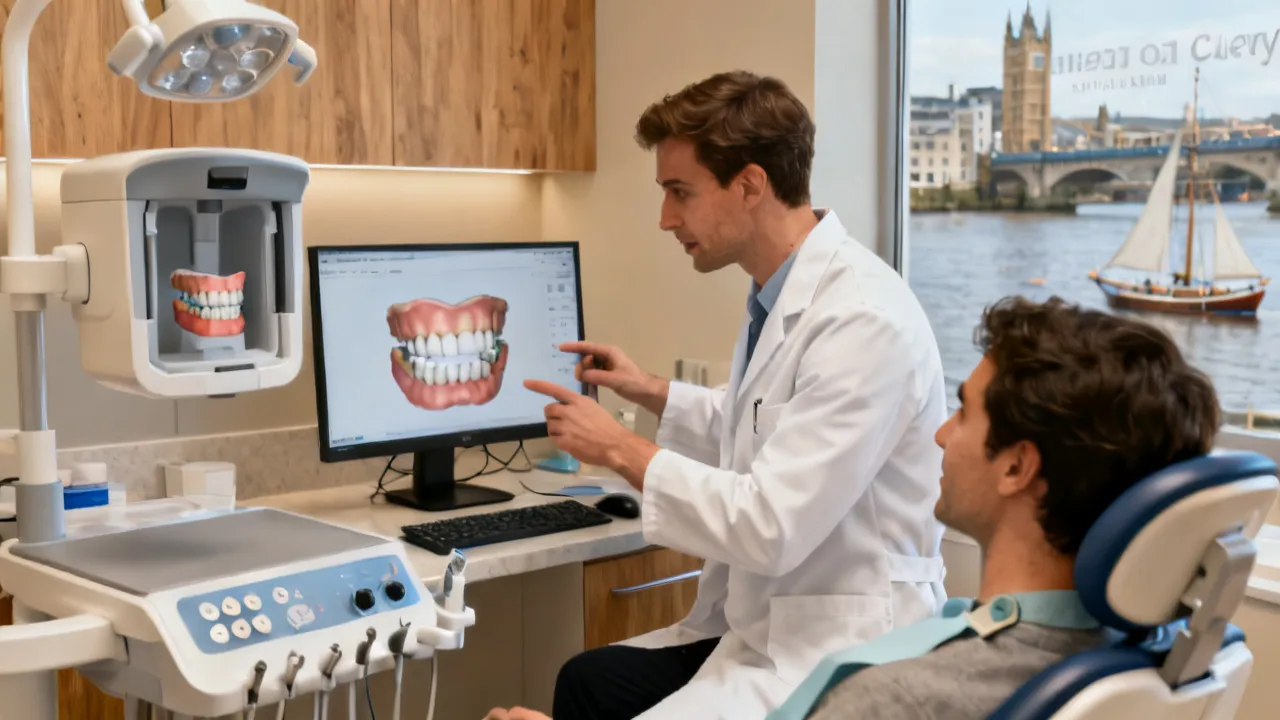
If you’re looking into Orthotropics Glasgow, the very important starting point is understanding what functional orthodontic methods aim to influence—primarily how the jaw and bite function, rather than only how teeth align. A well-run consultation should translate your goals (comfort, breathing, chewing patterns, posture-related habits) into a clear clinical plan, with measurable checkpoints and honest boundaries around expectations.
Because “orthotropics” can be discussed in different ways across clinics and practitioner communities, this article offers an objective, evidence-aware framework for evaluating care near Glasgow without leaning on marketing claims. You’ll also find a comparison table, a step-by-step readiness guide, and clear conditions/requirements for moving forward safely.
Even if you’ve already read about functional jaw training online, it helps to come to an appointment with a structured “decision checklist.” Functional care is often more variable than conventional orthodontics, not necessarily because clinicians are careless, but because the outcomes depend heavily on growth timing, baseline skeletal factors, and—crucially—your consistency with exercises and routines.
What “Orthotropics” Typically Refers To in Clinic Practice
In functional orthodontics, the term “orthotropics” is often used to describe an approach that targets growth and functional adaptation—how oral muscles, posture, and breathing habits interact with the jaw and bite. In practice, clinics may combine several components such as:
- Functional assessment of bite behavior, jaw movement patterns, and muscle activity observations.
- Habit review (e.g., mouth-breathing patterns, tongue posture, swallowing mechanics).
- Appliance-based or training-based strategies depending on clinical assessment (for example, devices designed to guide jaw posture or support oral functional routines).
- Progress monitoring using structured records and follow-ups, since functional change is rarely fast.
It’s worth distinguishing “concept” from “standard care.” Orthotropics is commonly presented as a functional method, yet not every element used across clinics has the same level of consensus or published evidence. A responsible practitioner in Orthotropics Glasgow should therefore explain what is supported, what is still developing, and what outcomes are very realistic for your age group and clinical picture.
To evaluate this properly, don’t only ask “Do you do orthotropics?” Ask “What exactly will you do for me?” A consistent, detailed answer—covering diagnosis, device design rationale (if used), frequency, and what you’ll do between visits—usually reflects higher clinical maturity than a broad statement of philosophy.
Why Patients in the Glasgow Area Seek Functional Approaches
People near Glasgow often explore functional orthodontics for practical reasons: they may want to understand how breathing and oral habits affect the bite, or they may be seeking options that look beyond tooth-by-tooth alignment. In a city environment—whether you’re commuting past Kelvingrove Art Gallery and Museum, walking around Glasgow Cathedral, or cycling through park routes—day-to-day routines can influence posture and breathing patterns. Clinics that work with functional methods typically treat these routines as part of the clinical context.
That said, the top reason to pursue any specialized orthodontic approach is not location alone, but alignment between your needs and the clinic’s clinical capability: diagnostic quality, clear treatment rationale, and follow-through.
It’s also common for people in the Glasgow area to look for a method that better matches their lifestyle. Traditional orthodontic care can be excellent, but functional methods can sometimes feel more aligned with concerns like tongue posture, habitual mouth breathing, or the feeling that the jaw “doesn’t sit” comfortably. The evaluation step is to determine whether the functional method is likely to address your primary drivers—or whether conventional orthodontics or other referrals would be more appropriate first.
Key Clinical Considerations: Safety, Diagnostics, and Expectations
From an industry-expert standpoint, the very critical factor is whether the clinic can provide a rigorous diagnostic pathway. For orthotropics-related care, this usually means:
- Baseline assessment: bite relationship, dental and skeletal considerations, functional habits, and (where relevant) jaw mechanics.
- Documented records: photos, model or digital scans, and radiographs when indicated by clinical guidelines.
- Clear treatment scope: what the approach can and cannot address (for example, significant skeletal discrepancies may require a different pathway or additional specialist input).
- Risk discussion: comfort issues, compliance demands, and possible need for refinement if progress stalls.
Importantly, a provider should not present outcomes as guaranteed. A professional plan emphasizes measurable milestones and re-evaluations, particularly because functional therapies depend on patient participation and time.
When you evaluate any Orthotropics Glasgow option, consider the “diagnostic discipline” of the clinic. A well-designed functional case plan is not just a list of exercises; it’s a hypothesis about how changes in function might shift jaw posture and bite behavior, anchored by clinical findings.
For example, if the clinic claims the primary issue is tongue posture or airway-related mouth breathing, they should also explain what they expect to observe clinically as those factors improve. Without this, you are left with compliance effort but limited clinical certainty.
What a Strong Diagnostic Pathway Often Looks Like
Although clinics vary, strong functional jaw development evaluation often includes several layers:
- Intraoral examination: tooth wear, gum health, crowding/spacing patterns, existing restorations, and any signs that may affect orthodontic planning (e.g., enamel defects, periodontal concerns).
- Functional assessment: observation of how the jaw closes, how the bite behaves when moving from rest to function, and whether there are asymmetries or specific movement patterns.
- Habit and breathing evaluation: mouth-breathing frequency, nasal breathing tolerance, swallowing pattern notes, and tongue posture at rest.
- Postural and facial context: not as a substitute for medical assessment, but as an observational factor that can influence jaw positioning and habitual breathing mechanics.
- Age-and-growth consideration: especially important for children and teenagers, where growth potential influences what can be realistically achieved.
If a clinic skips most of these elements and moves directly to a device, you should treat it as a sign to ask for clarification. Functional care should still be individualized; otherwise, it becomes a one-size-fits-all program.
Cost and “Price Information”: What You Should Expect to Discuss
When researching Orthotropics Glasgow, many patients ask about price. While this article does not claim a single universal figure (costs vary by case complexity, appointment frequency, and whether additional orthodontic or restorative work is involved), you should expect the clinic to explain costs in a structured way, such as:
- Consultation fees (often separate from treatment start)
- Appliance fabrication and adjustments (if applicable)
- Follow-up schedule frequency over the treatment period
- Records and diagnostics (within clinical guideline boundaries)
- Contingency steps if refinement is needed
Ask for an itemised estimate and a written summary of what’s included. If the clinic cannot describe the cost structure clearly, it’s reasonable to treat that as a red flag for operational quality.
Also consider “hidden time costs.” Functional orthodontic plans may require multiple short check-ins, modifications, or more frequent feedback sessions than some conventional orthodontic schedules. Ask how they manage appointment cancellations and rescheduling, because missed visits can affect outcomes and may increase the number of sessions later.
Questions to Ask About Cost Transparency
To evaluate cost fairness, you can ask targeted questions like:
- How many visits are typically included in the quoted treatment period?
- What constitutes an “adjustment visit,” and are those included?
- If an appliance needs remaking due to fit issues, who covers the cost?
- Do you provide written records (scans/photos) as part of treatment?
- Are there extra charges for additional radiographs if the plan changes?
A clinic that answers these questions confidently, without vague reassurance, is more likely to operate with structured governance rather than ad-hoc practice.
Supplier Details: How to Interpret Provider and Materials Responsibility
“Supplier” details in healthcare often refers to how a clinic sources equipment, uses specific appliance components, or collaborates with external labs. A high-quality Orthotropics Glasgow clinic should be able to state:
- Whether appliances are custom-fabricated locally or via a partner lab
- What kind of materials are used and why (durability, comfort, fit verification)
- How the clinic handles quality checks for fit, safety, and adjustments
Even when a clinic does not provide extensive “supplier” documentation to patients, they should remain transparent about who produces what, how quality is verified, and how replacements are handled if something doesn’t fit as intended.
For functional appliances (or any orthodontic device), fit and safety matter. If you hear “trust us” without details on fabrication checks, you should ask what they do to verify comfort, pressure distribution, and appliance integrity after delivery.
Evidence and Perspective: What Reliable Research Can (and Can’t) Prove
Functional orthodontic approaches overlap with broader domains such as airway-focused dentistry, myofunctional therapy, and orthodontics that consider growth and function. For objective decision-making, consider the type of evidence a clinic cites:
- Systematic reviews and consensus statements (higher-level evidence)
- Prospective clinical studies (when available)
- Mechanism-based explanations (useful for plausibility, but not the same as outcome proof)
When clinics reference research, you can evaluate credibility by checking whether findings are published in reputable dental or medical journals and whether study limitations are acknowledged. For general orthodontic and functional outcomes, reputable sources include professional bodies and peer-reviewed literature; for example, orthodontic guidance is often summarized in publications that follow evidence-based standards.
Because functional orthodontics sometimes involves variable protocols, evidence strength may vary. That doesn’t automatically mean it’s ineffective; it may mean outcomes depend on selection criteria (who is treated), age and growth stage, and compliance. Therefore, the best clinic response to evidence concerns is rarely “We guarantee this works for everyone.” It’s usually a careful explanation of why your case fits the protocol and what performance you can realistically expect.
How to Evaluate “Claims” Without Getting Misled
Be cautious of these patterns when evaluating Orthotropics Glasgow options:
- Over-promising before diagnosis (“This will fix your bite,” “You’ll see instant results”).
- Minimal explanation of selection criteria (no clarity on which issues respond and why).
- Evidence-by-vibes (no references, or vague “studies show” without specifics).
- Pressure tactics (insisting you must commit immediately or that skepticism is unreasonable).
- Underplaying risks (no discussion of discomfort, compliance demands, or possible need to switch plans).
A responsible clinic should invite questions. A clinic that treats questions as obstacles is not aligned with shared decision-making.
Comparison Table: Practical Requirements and Provider Fit
The following table compares common provider “conditions/requirements” and how they typically show up during a consultation for Orthotropics Glasgow approaches. Use it to benchmark what you should expect from a competent clinic. (No external links are included.)
| Element | What to Look For | Why It Matters |
|---|---|---|
| Diagnostic pathway | Written baseline assessment and recorded findings aligned to your age and presentation. | Prevents “trial-and-error” care; enables measurable progress tracking. |
| Clinical rationale | Clear explanation of which functional factors are targeted (breathing habits, tongue posture, jaw movement patterns). | Helps you judge whether the plan matches your main concerns. |
| Time horizon | A realistic timeline with checkpoint reviews (not only start/end dates). | Functional changes often require consistency and adaptation. |
| Compliance strategy | Specific instructions for routines and how the clinic supports adherence. | Outcomes depend on consistent participation and feedback loops. |
| Safety and risk communication | Discussion of discomfort expectations, adjustment processes, and what “stop and reassess” means. | Reduces harm risk and supports responsible decision-making. |
| Contingency plan | What happens if progress is slower than expected or if results plateau. | Protects you from staying locked into an ineffective pathway. |
| Cost transparency | Itemised estimate, inclusion/exclusion details, and explanation of adjustment-related fees. | Enables informed budgeting and avoids hidden charges. |
| Scope boundaries | Willingness to coordinate with orthodontists or specialists if case complexity requires it. | Prevents undertreatment or misdirected care. |
Step-by-Step Guide: Readiness and Next Actions in Nearby Glasgow
If you’re considering Orthotropics Glasgow services, use the following structured process. It’s designed to help you compare clinics objectively and reduce the risk of mismatch between expectations and care delivery.
Step 1: Define your primary concern in plain language
Write down what you want to change (e.g., breathing comfort, jaw posture comfort, bite functional stability, or reducing habits that affect oral function). If your goals are multiple, prioritize them—functional plans depend on clear focus.
If you’re unsure, try to categorize your concern into one of three groups:
- Function (breathing, swallowing, chewing comfort, jaw stability in daily activity)
- Form (facial balance, crowding, overbite/underbite appearance)
- Symptoms (jaw pain, clicking with discomfort, headaches, mouth dryness, sleep-related breathing issues)
This step is crucial because many clinics can address function, but not all can safely address severe form/skeletal problems without additional orthodontic or specialist care. Your priorities guide your questions and help prevent you from being sold a protocol that doesn’t match your needs.
Step 2: Request a diagnostic overview before discussing treatment
A responsible clinic should explain what assessments they’ll perform and what each assessment helps them decide. If the discussion moves quickly into appliances without enough baseline information, ask for the rationale.
You can ask: “What would make you change your plan after diagnosis?” If they can’t describe decision points, it may indicate they rely on a fixed pathway rather than case-based tailoring.
Step 3: Ask how progress will be measured
In functional orthodontics, progress isn’t only about how you look in photographs. Ask what “better” means clinically: bite behavior consistency, functional tolerance, habit changes, and objective records over time.
For example, a well-structured progress measurement plan may include:
- Changes in bite alignment and functional contact patterns
- Recorded improvements in resting tongue posture or swallowing mechanics (where assessed)
- Reduction in mouth-breathing frequency during the day, if this is a target
- Patient-reported comfort improvements with a structured symptom scale
- Stable outcomes at follow-up intervals after an adjustment phase
If the clinic can only say “you’ll know when it’s working,” that’s often too vague for decision-making.
Step 4: Confirm the compliance and support plan
Functional methods typically require patient involvement. Ask for a schedule (how often you’ll check in, what you’ll do between visits) and whether you’ll receive feedback for technique, comfort, and adaptation.
Also ask about support if you struggle. For example:
- What happens if you miss exercises due to exams, work, illness, or family constraints?
- Do you have a way to upload or report progress (even informally) between visits?
- Will adjustments be timed based on your response or based on fixed dates?
A functional protocol that assumes perfect compliance may be unrealistic. Clinics that acknowledge real-life barriers typically build better outcome pathways.
Step 5: Review the estimated cost structure and what’s included
Ask for itemised costs, expected appointment frequency, and adjustment policy. For example, clarification matters if extra visits are needed due to fit changes.
When comparing clinics, also ask whether they include diagnostic record updates at checkpoint intervals. Some functional cases benefit from periodic re-recording to see what’s changing and whether a protocol adjustment is justified.
Step 6: Discuss safety boundaries and “reassess triggers”
Ask what symptoms or concerns would prompt earlier review (pain beyond expected levels, worsening bite comfort, speech or swallowing disruption, or appliance intolerance).
Good clinics describe both “expected discomfort” and “red flags.” If you don’t know which category your symptom falls into, that’s a safety gap. Clarify communication channels (phone message, after-hours guidance, or emergency escalation rules) for appliance-related discomfort.
Step 7: Verify professional qualifications and clinical governance
Ask who will deliver the care and how clinical quality is maintained. If a clinic cannot clearly describe their professional accountability or governance, choose a different provider.
In a healthcare setting, accountability matters. You should know the role of each professional involved (e.g., orthodontist oversight vs. training therapist vs. dental clinician). If the clinic uses multiple professionals, ask who is responsible for final clinical decisions and treatment modifications.
Conditions and Requirements: When Orthotropics-Style Care May Be Inappropriate
Not every case is a top fit. While a final decision requires a professional evaluation, you should be cautious if a provider refuses to discuss limitations. Common examples include:
- Severe skeletal discrepancies where broader orthodontic or surgical planning may be necessary.
- Complex dental issues requiring restorative or periodontal attention before orthodontic functional work.
- Uncontrolled medical contributors to mouth breathing or airway compromise without appropriate medical coordination.
- Inability to follow routines due to practical constraints (functional care depends heavily on consistency).
Functional therapy often performs best when the case selection is appropriate. A cautious clinic will explain why your case fits—or why it may not, and what alternatives should be considered first.
Also consider that functional orthodontics may be insufficient for correcting certain bite problems if the underlying issue is primarily structural rather than functional habit-related. “Functional adaptation” can help, but it doesn’t always replace the need for orthodontic biomechanics or specialist management.
Industry Perspective: What “Good Practice” Looks Like in Functional Orthodontics
From an industry-expert standpoint, high-quality functional orthodontic services typically share four traits:
- Diagnostic discipline: the clinic invests time in baseline assessment and documents results.
- Clinical transparency: the provider clearly distinguishes what they can predict from what they cannot.
- Patient support: instructions are detailed, and follow-up is structured.
- Outcome monitoring: they track progress and respond to stagnation with adjustment or pathway changes.
If your Orthotropics Glasgow consultation doesn’t include these elements, consider it a sign to ask tougher questions or seek a second opinion.
Good practice also includes an element of clinical humility. Even when a clinic believes strongly in a functional philosophy, it should still respond to objective findings. That means being willing to modify the plan, coordinate with other practitioners, or refer when needed.
Localizing to Nearby Glasgow: How Patients Typically Experience Appointments
Clinics in and around Glasgow frequently serve students, working professionals, and families balancing school schedules. That practical reality affects treatment success for functional methods. Ask about appointment timing flexibility and how they manage missed visits. If you commute near landmarks like Glasgow Central or live closer to the west end, you may also want to coordinate travel time with frequent follow-ups.
In the Scottish context, patients often value straightforward explanations and respectful discussions—so prioritize clarity. If you leave the appointment unsure about cost inclusions, follow-up frequency, or what your “home routine” requires, request a written summary or an additional discussion.
Because functional jaw work may involve between-visit practice, clinic logistics become part of the clinical plan. A clinic that makes it easy to attend consistent check-ins (or that can adapt when you have legitimate constraints) is more likely to deliver an approach that actually works in the real world.
Potential Benefits Patients Discuss (and How to Interpret Them Realistically)
People exploring orthotropics-related approaches often report goals such as improved oral comfort, better tolerance of jaw position during daily activities, or enhanced consistency of functional habits. These experiences can be meaningful, but an objective interpretation requires:
- Time alignment: do improvements appear after consistent participation?
- Clinical corroboration: does the clinic’s recorded data reflect the change?
- Stability: do improvements persist after the initial adjustment period?
A credible clinic will help you connect subjective change to objective measures. Avoid decisions based solely on anecdotes.
It can also help to distinguish between “early comfort improvements” and “long-term bite changes.” Some patients feel less strain or better jaw posture quickly when they begin supportive routines. That doesn’t always mean significant bite correction is happening; it may mean neuromuscular adaptation and improved tolerability first. Ask the clinic what changes they expect early vs. later.
Common Risks and Downsides to Discuss
Any orthodontic or appliance-based functional approach can have drawbacks. A professional discussion should include potential issues such as:
- Initial discomfort or soreness during adaptation
- Speech or chewing adjustments while learning routines
- Compliance dependency: limited participation can reduce effectiveness
- Need for modifications if fit or function changes
If a clinic avoids discussing risks altogether, that is not aligned with good clinical practice. Your care should include informed consent and shared decision-making.
It’s also reasonable to ask about what happens if you stop the treatment midway. Some appliances may require a planned removal and transition strategy. A responsible clinic should explain how they handle discontinuation and whether there are retention or stabilization considerations.
Deepening the Evaluation: What to Ask About Functional Jaw Development
Because “functional jaw development” can sound broad, here are specific topics you can probe in an appointment. You don’t need to ask all of them, but choosing a few can reveal whether the clinic is thinking clinically or just following a routine protocol.
1) What is the primary mechanism they believe is driving your issue?
For instance, is the clinic focusing on:
- Breathing pattern changes (mouth vs. nasal dominance)
- Tongue posture and oral rest mechanics
- Swallowing pattern adaptation
- Habit-related muscle tone and functional contact patterns
- Jaw position under function (closure mechanics and movement guidance)
Then ask: “How will you know if this mechanism is actually changing in my case?” The best answer connects expected clinical observations to the therapy steps.
2) How do they differentiate between “symptom improvement” and “structural change”?
A patient may feel better while the bite remains unchanged. Both experiences matter, but they’re different outcomes. Ask the clinic how they define success at different stages.
3) How do they handle asymmetries?
Some patients have right-left differences in bite function or jaw movement. A clinic should explain whether asymmetry affects planning and how they monitor it. If you suspect asymmetry, ask directly: “Do you treat asymmetry differently, and how do you measure it?”
4) What is the plan for retention or stabilization?
Functional changes may regress if habits revert. A good clinic plan often includes a phase where you maintain new patterns. Ask what stabilization looks like after the active phase ends, and whether follow-up monitoring is included.
5) Do they coordinate with other professionals if needed?
Breathing issues can overlap with medical assessment. Mouth breathing can be related to nasal obstruction, allergies, adenoid or tonsil considerations, or sleep-disordered breathing patterns. Ask what they do if they suspect these are drivers. A responsible clinic may recommend medical evaluation rather than assuming orthodontics alone will fix the issue.
FAQs About Orthotropics Glasgow
1) What does an Orthotropics Glasgow consultation usually include?
Very responsible consultations begin with a functional and dental baseline assessment: bite relationship observations, habit and mouth-breathing context, jaw comfort and movement notes, and documented records. A good clinic then explains the clinical rationale, expected timeline, and how progress will be monitored.
In many cases, you should also expect an explanation of the proposed protocol steps between visits. If you don’t receive instructions on what you will do day-to-day, the treatment plan may be incomplete.
2) How do I know whether my case is suitable for orthotropics-style care?
You can’t confirm suitability without evaluation. However, ask the provider how they decide between functional training, conventional orthodontics, or referral to another specialist. If they won’t discuss boundaries and alternative pathways, seek a second opinion.
A particularly helpful question is: “If this doesn’t work, what’s the next step?” Suitability isn’t only about whether the plan starts—it’s also about what happens if outcomes are slower or different from predictions.
3) What should I ask about price and what’s included?
Request an itemised estimate covering consultation, diagnostic records (when clinically indicated), appliance fabrication (if applicable), follow-up frequency, adjustment policy, and any additional costs for refinement. Ensure you understand what’s included versus what would incur extra charges.
If the clinic offers promotions or packages, still request clarity on which parts are fixed and which parts depend on your progress and compliance.
4) Are there supplier or materials considerations I should be aware of?
Ask who fabricates any appliances and what materials are used. Also ask how the clinic checks fit and safety after delivery. A transparent answer is a marker of operational maturity.
Additionally, ask about wear and expected lifespan of components. If parts need replacing due to breakage or wear, it helps to know whether replacements are included or charged separately.
5) How long does functional jaw and bite work usually take?
Timelines vary by age, baseline orthodontic status, and compliance. A credible clinic offers checkpoint reviews rather than a single vague estimate. If the clinic refuses to discuss time horizons or milestones, that limits your ability to make an informed plan.
Ask what “early check” looks like. For example, many functional protocols benefit from an initial adjustment and feedback period. The key is to know when you will re-evaluate whether the approach is resonating with your case.
6) What happens if I don’t see progress?
A well-run functional care program includes a contingency plan: earlier review triggers, reassessment of compliance and fit, and possible refinement or pathway change. You should ask explicitly what “reassess” means and how decisions are made.
Be sure to ask whether “lack of progress” is defined by clinical measurements, by symptom reporting, or by both. A clinic that uses objective measures is easier to trust.
7) Is this approach a replacement for conventional orthodontic treatment?
Sometimes it may complement conventional orthodontics; sometimes it may be insufficient on its own for complex cases. The key is whether your provider coordinates the scope responsibly and discusses alternative options when needed.
In practice, many successful outcomes happen when functional therapy is integrated into a broader orthodontic plan rather than treated as a standalone cure-all.
8) Are there any conditions that require medical coordination?
Breathing-related concerns can overlap with medical topics. If you suspect sleep-disordered breathing, persistent nasal obstruction, or other medical contributors, request coordination with appropriate medical professionals before committing to an orthodontic plan.
A strong clinic will understand that orthodontic devices do not address certain medical causes and that coordination can improve safety and outcomes.
Authoritative Context: How to Verify Claims Responsibly
When evaluating Orthotropics Glasgow options, keep your decision grounded in verifiable clinical reasoning. If a clinic cites research, ask for the specific publication and note the outcome type (e.g., clinical endpoints versus theoretical mechanism). For general orthodontic knowledge and evidence appraisal habits, you may also consult reputable professional bodies and peer-reviewed literature relevant to orthodontics and functional treatment outcomes.
Verification does not require you to become a researcher. It simply requires you to ask: “What evidence supports your specific claim?” A credible clinic can translate research into practical expectations for your case. If they can’t, you should treat the claim as unsubstantiated.
Practical Checklist: What to Bring to Your Glasgow Appointment
To make your consultation more productive, consider bringing:
- A short list of symptoms and habits you’ve noticed (e.g., mouth breathing frequency, dry mouth, morning headaches, jaw clicking with discomfort, chewing preference).
- Any previous orthodontic records or scan reports you already have.
- A list of questions based on your top priorities (function, comfort, breathing, timing, cost transparency, contingency plans).
- A willingness to discuss limitations honestly (time constraints, ability to practice routines, prior experiences with appliances).
You can also take notes during the appointment and ask for a written summary afterward. A clinic that provides clear documentation and a structured plan helps you make an informed decision.
Comparing Clinics in Glasgow: How to Use Your Consultation Notes
After attending one appointment, many people find it hard to compare clinics because each provider speaks in a different “style.” A helpful approach is to score clinics against criteria:
- Diagnosis clarity: Did they document baseline findings and explain what they mean?
- Mechanism clarity: Did they explain why functional changes should influence your case?
- Measurement clarity: Did they define how success will be tracked?
- Safety clarity: Did they discuss risks, expected discomfort, and stop/reassess triggers?
- Support clarity: Did they explain how you’ll be guided between visits?
- Cost clarity: Was the estimate itemised and understandable?
- Contingency clarity: Did they provide a plan if progress is slower than expected?
Clinics that score well on these dimensions typically indicate operational strength and a mature approach to functional therapy.
Conclusion: Choose a Clinic That Can Explain, Measure, and Adjust
Exploring Orthotropics Glasgow can be a thoughtful path if—and only if—you approach it like a clinical decision, not a marketing purchase. Prioritize diagnostic rigor, transparent pricing structure, supplier/material responsibility where relevant, and a clear plan with measurable milestones. If you can’t get answers to fundamentals such as assessment methods, progress tracking, risks, or contingency steps, the very objective choice is to ask more questions or seek another provider.
In nearby Glasgow, where patients often juggle busy schedules and practical constraints, the “top fit” clinic is the one that makes functional care feasible: it supports compliance, monitors changes, and recalibrates the plan when outcomes need adjustment.
Note: This article is educational and does not replace professional dental or orthodontic assessment. For personal recommendations, consult a qualified clinician after a full diagnostic review.